
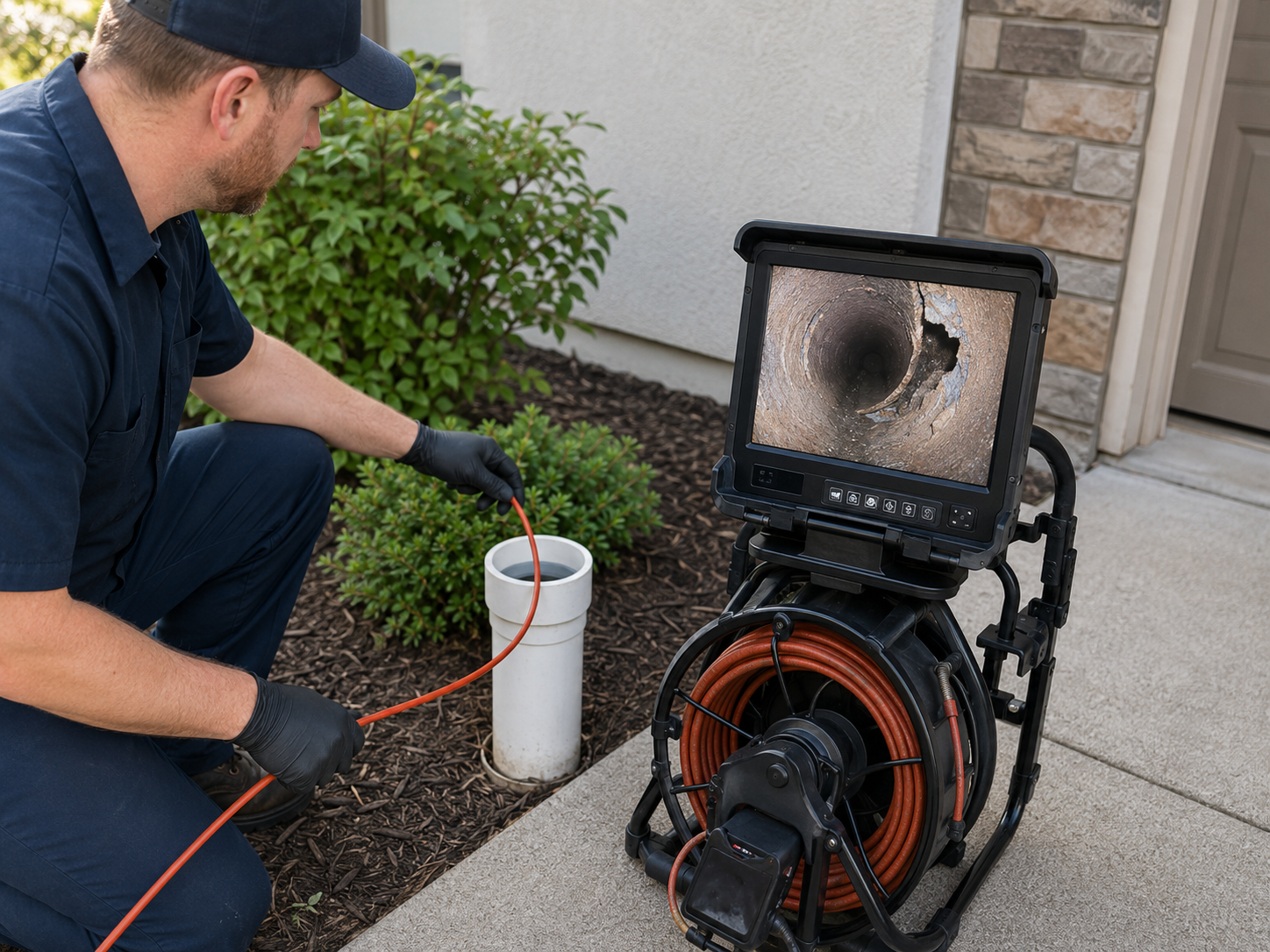
 Sewer line repair is usually the better choice when damage is isolated, minor, or limited to one section of pipe; sewer line replacement is better when the pipe is collapsed, severely corroded, repeatedly clogging, or failing in multiple areas. The right decision depends on the condition of the line, the age of the pipe, the repair history, and what a camera inspection shows.
For many Denver homeowners, the smartest move is not automatically choosing the cheapest upfront option. It is choosing the solution that prevents repeat backups, protects the property, and makes financial sense over time. This guide compares Sewer Line Repair vs Sewer Line Replacement so you can understand the trade-offs before approving major plumbing work.
Understanding Sewer Line Repair
Sewer line repair focuses on fixing a specific problem area instead of replacing the entire sewer line. This may involve spot repair, pipe patching, trenchless lining where allowed and appropriate, clearing root intrusion, correcting a small offset, or excavating a short damaged section. In many cases, the first step is a sewer video inspection to confirm the exact location and severity of the issue.
Repair is often recommended when the sewer line is mostly functional but has one clear defect. For example, a pipe may have a small crack, a localized root intrusion point, a separated joint, or a limited section affected by shifting soil. In older Denver homes, especially properties with clay, cast iron, or older Orangeburg-style piping, a camera inspection is critical because surface symptoms do not always reveal the full condition of the pipe.
Typical sewer line repair costs vary depending on access, pipe depth, material, location, excavation needs, and whether the repair affects landscaping, concrete, sidewalks, or street-facing areas. A small repair may be far less expensive than a full replacement, but the final price depends on the scope of work. If the line also has heavy buildup, a plumber may recommend drain cleaning or hydrojetting before or after the repair.
The main benefit of repair is targeted cost control. You are solving the immediate problem without paying to remove and replace pipe that may still have usable life. It can also mean faster completion, less disruption, and reduced impact on yards, driveways, and finished areas.
Sewer line repair is ideal when:
- The damage is isolated to one short section.
- The rest of the pipe is structurally sound.
- The line has not had frequent backups.
- The home is not showing signs of widespread sewer failure.
- The homeowner wants a practical short-to-mid-term solution.
Repair can be a strong play when the evidence supports it. But if the pipe is brittle, bellied, heavily corroded, or failing in several places, repair may only delay the inevitable.
Understanding Sewer Line Replacement
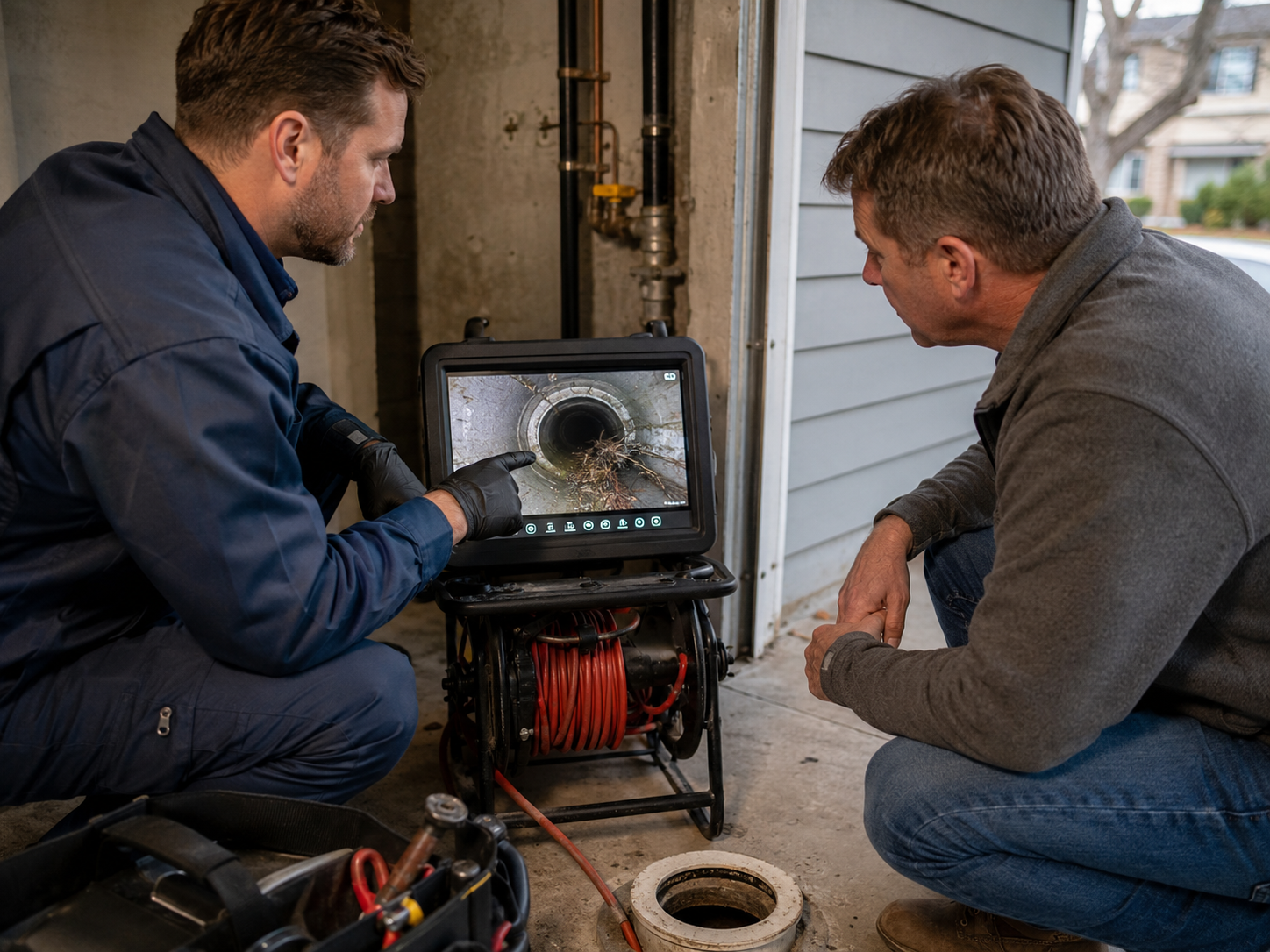 Sewer line replacement means removing or bypassing the failing sewer line and installing a new line. This may involve traditional excavation, trenchless replacement methods, or a combination depending on the property, pipe route, soil conditions, depth, access, and local requirements. For homes with severe pipe deterioration, replacement offers a more comprehensive long-term solution.
Replacement is usually recommended when the sewer line has major structural problems. These may include collapsed pipe, multiple broken sections, severe corrosion, recurring root intrusion, large bellies that hold waste and water, or pipe material that has reached the end of its service life. If your sewer line has required repeated cleaning, emergency service, or temporary repairs, replacement may provide better ROI than continuing to chase the same problem.
In Denver, older neighborhoods can have mature trees, clay soil movement, freeze-thaw stress, and aging sewer infrastructure. These factors can increase the risk of root intrusion, pipe separation, and long-term line deterioration. Depending on the work location, sewer projects may also require permits, inspections, or additional coordination if the line connects to city infrastructure or affects the public right-of-way.
The upfront cost of replacement is higher than repair because it usually involves more labor, more materials, longer pipe sections, equipment, inspection, and restoration. However, replacement can reduce future service calls, improve flow, eliminate recurring problem points, and give the homeowner a cleaner long-term maintenance profile.
Replacement is ideal when:
- The line is collapsed or structurally unsafe.
- There are multiple damaged sections.
- The pipe is old and deteriorating throughout.
- Repairs have already failed.
- Backups are recurring.
- The home is being prepared for resale or long-term ownership.
- The repair cost is high enough that replacement becomes the better capital decision.
If you are unsure whether your issue requires repair or full sewer repair, start with inspection and diagnosis before approving major work.
Side-by-Side Comparison
| Attribute | Sewer Line Repair | Sewer Line Replacement |
|---|---|---|
| Best For | Isolated cracks, small breaks, limited root intrusion, minor offsets | Collapsed lines, severe corrosion, repeated failures, multiple damaged sections |
| Upfront Cost | Usually lower because only the damaged section is addressed | Usually higher because more pipe, labor, equipment, and restoration are involved |
| Project Scope | Targeted fix to one or a few problem areas | Full or major line replacement from the home toward the connection point |
| Disruption | Often less disruptive, especially for accessible sections | Can be more disruptive, especially with excavation, concrete, landscaping, or deep lines |
| Lifespan | Depends on the condition of the remaining pipe | Longer-term solution with a new pipe system |
| Risk of Future Problems | Higher if the rest of the pipe is aging or weakened | Lower if the replacement addresses the full failing section |
| Timeline | Often faster when access is simple | May take longer due to permits, excavation, inspection, and restoration |
| Ideal Homeowner Goal | Solve a specific issue without overspending | Invest in long-term reliability and reduce repeat emergencies |
| Inspection Need | Strongly recommended | Essential before final scope and pricing |
| Related Services | Drain cleaning, spot repair, camera inspection | Water / sewer / gas lines, excavation, pipe replacement |
Pros and Cons Breakdown
Pros of Sewer Line Repair
- Lower upfront investment: Repair usually costs less than replacement when the damage is limited.
- Less invasive work: Many repairs require less digging, less demolition, and less property disruption.
- Faster completion: A targeted repair can often be completed faster than a full line replacement.
- Good for newer or mostly healthy pipes: If the pipe is structurally sound overall, repair can be a smart and efficient solution.
- Useful for specific defects: Small cracks, joint issues, and limited root intrusion may not justify full replacement.
Cons of Sewer Line Repair
- May not solve deeper system failure: If the rest of the pipe is aging, another section may fail later.
- Can become repetitive: Multiple small repairs over time can cost more than replacement.
- Limited lifespan: The repaired area may be stable, but the remaining old pipe still carries risk.
- Not ideal for collapsed lines: Severe structural damage usually needs replacement.
- Can hide bigger problems without inspection: A repair decision should be based on camera evidence, not guesswork.
Pros of Sewer Line Replacement
- Stronger long-term solution: Replacement addresses widespread pipe failure instead of only one symptom.
- Better flow and reliability: A new line can reduce backups, standing waste, and recurring clogs.
- Improved resale confidence: Buyers may view a replaced sewer line as a major property advantage.
- Lower repeat-service risk: Replacement can reduce emergency calls and recurring maintenance costs.
- Better for old Denver properties: Homes with aging underground lines may benefit from a full-system reset.
Cons of Sewer Line Replacement
- Higher upfront cost: Replacement requires more labor, planning, materials, and restoration.
- More disruptive: Excavation can affect landscaping, driveways, sidewalks, or finished spaces.
- Longer timeline: Permits, inspections, and coordination can extend the project.
- Not always necessary: Replacing a mostly healthy line can be overkill if one repair would solve the issue.
- Requires careful scope review: Homeowners should understand what section is being replaced and what restoration is included.
Which Option is Better? The Ultimate Showdown
The winner in Sewer Line Repair vs Sewer Line Replacement depends on whether you are dealing with an isolated defect or a failing system.
Choose sewer line repair if your priority is controlling upfront cost and the camera inspection shows one limited problem area. For example, if a root entered through one joint or a short section cracked due to soil movement, a targeted repair may be the most efficient solution. This keeps the project focused and avoids replacing pipe that still has service life.
Choose sewer line replacement if your priority is long-term reliability and the pipe has widespread deterioration. If the sewer camera shows multiple cracks, sagging sections, corrosion, collapse, or recurring root intrusion, replacement becomes the smarter strategic move. In this scenario, repair can turn into a cycle of temporary fixes, emergency calls, and escalating frustration.
From a cost-versus-benefit perspective, repair wins on short-term affordability. Replacement wins on lifecycle value when the pipe is near the end of its useful life. A homeowner planning to sell soon may choose repair if the defect is minor and properly documented. A homeowner planning to stay for many years may prefer replacement to reduce risk and stabilize the property’s plumbing infrastructure.
Denver homeowners should also consider local property conditions. Older homes, mature trees, freeze-thaw cycles, and deep service lines can all influence the decision. If sewer problems are happening alongside other plumbing issues, it may also make sense to evaluate broader general plumbing concerns or related underground line problems.
A good rule of thumb: if the repair is small, isolated, and supported by video evidence, repair is the practical winner. If the line is old, unstable, repeatedly clogging, or damaged in several places, replacement is usually the better long-term investment.
For recurring backups, also review: Why Drains Keep Clogging in Older Houses in Denver and What Causes Emergency Drain Blockages and How Can They Be Prevented in Denver?
Not Sure If You Need Sewer Repair or Replacement?
If you are dealing with sewer odors, slow drains, gurgling toilets, wet spots in the yard, or repeated backups, do not guess. Get a professional inspection before deciding between repair and replacement. Drain Pros Plumbing Denver can help evaluate the line, explain your options clearly, and recommend the most practical path based on the actual condition of your sewer system.
Start with the Sewer Repair service page or request a sewer camera inspection to get a clearer answer before making a major plumbing decision.
Conclusion & Recommendation
The best choice between Sewer Line Repair vs Sewer Line Replacement comes down to pipe condition, not guesswork. Repair is the stronger option when the damage is isolated, the rest of the line is stable, and the goal is to solve a specific issue without unnecessary cost. Replacement is the better recommendation when the sewer line is failing in multiple places, has collapsed, or has a long history of recurring problems.
For most Denver homeowners, the smartest workflow is simple: inspect first, diagnose accurately, compare repair and replacement costs, then choose the option that protects the home for the longest reasonable timeline. If the pipe has one fixable issue, repair may be the clear winner. If the line is structurally compromised, replacement is usually the more sustainable investment.
Frequently Asked Questions
1. How do I know if I need sewer line repair or sewer line replacement?
1. How do I know if I need sewer line repair or sewer line replacement?
You need a sewer camera inspection to know for sure. If the camera shows one isolated crack, joint issue, or root intrusion point, sewer line repair may be enough. If it shows collapse, severe corrosion, major pipe belly, or multiple damaged areas, replacement is usually the better option.
2. Is sewer line repair cheaper than sewer line replacement?
2. Is sewer line repair cheaper than sewer line replacement?
Yes, sewer line repair is usually cheaper upfront because it targets a smaller section of pipe. However, if your sewer line is old or failing in multiple areas, repeated repairs can become more expensive than replacement over time.
3. When is sewer line replacement worth it?
3. When is sewer line replacement worth it?
Sewer line replacement is worth it when the pipe is collapsed, badly deteriorated, repeatedly clogging, or damaged in several sections. It is also worth considering if you plan to stay in the home long-term and want to reduce future plumbing emergencies.
4. Can hydrojetting fix a damaged sewer line?
4. Can hydrojetting fix a damaged sewer line?
Hydrojetting can clear grease, sludge, roots, and buildup, but it does not repair broken, collapsed, or severely corroded pipe. It may be recommended before inspection or repair, but structural damage still requires sewer repair or replacement.
5. Do recurring drain clogs mean I need sewer replacement?
5. Do recurring drain clogs mean I need sewer replacement?
Not always. Recurring drain clogs may be caused by buildup, roots, poor slope, damaged pipe, or a blockage in one section. A sewer video inspection can confirm whether cleaning, repair, or replacement is the right move.
6. Is trenchless sewer repair always better than excavation?
6. Is trenchless sewer repair always better than excavation?
Not always. Trenchless methods can reduce digging and property disruption, but they are not right for every pipe condition. If the pipe is collapsed, severely misaligned, or restricted by local requirements, excavation or full replacement may be necessary.
7. How long does a sewer line repair last?
7. How long does a sewer line repair last?
A sewer line repair can last many years if the rest of the pipe is stable and the repair is done correctly. However, the lifespan depends on pipe material, soil movement, root pressure, installation quality, and whether other sections are also deteriorating.
8. Should I repair or replace my sewer line before selling my home?
8. Should I repair or replace my sewer line before selling my home?
If a sewer inspection shows a small isolated issue, repair may be enough before selling. If the inspection reveals major structural failure, replacement may help prevent buyer objections, negotiation problems, or closing delays.
9. What is the first step when comparing Sewer Line Repair vs Sewer Line Replacement?
9. What is the first step when comparing Sewer Line Repair vs Sewer Line Replacement?
The first step is a sewer video inspection. It gives visual proof of the pipe condition, shows the location of the problem, and helps determine whether repair or replacement is the better financial decision.



