
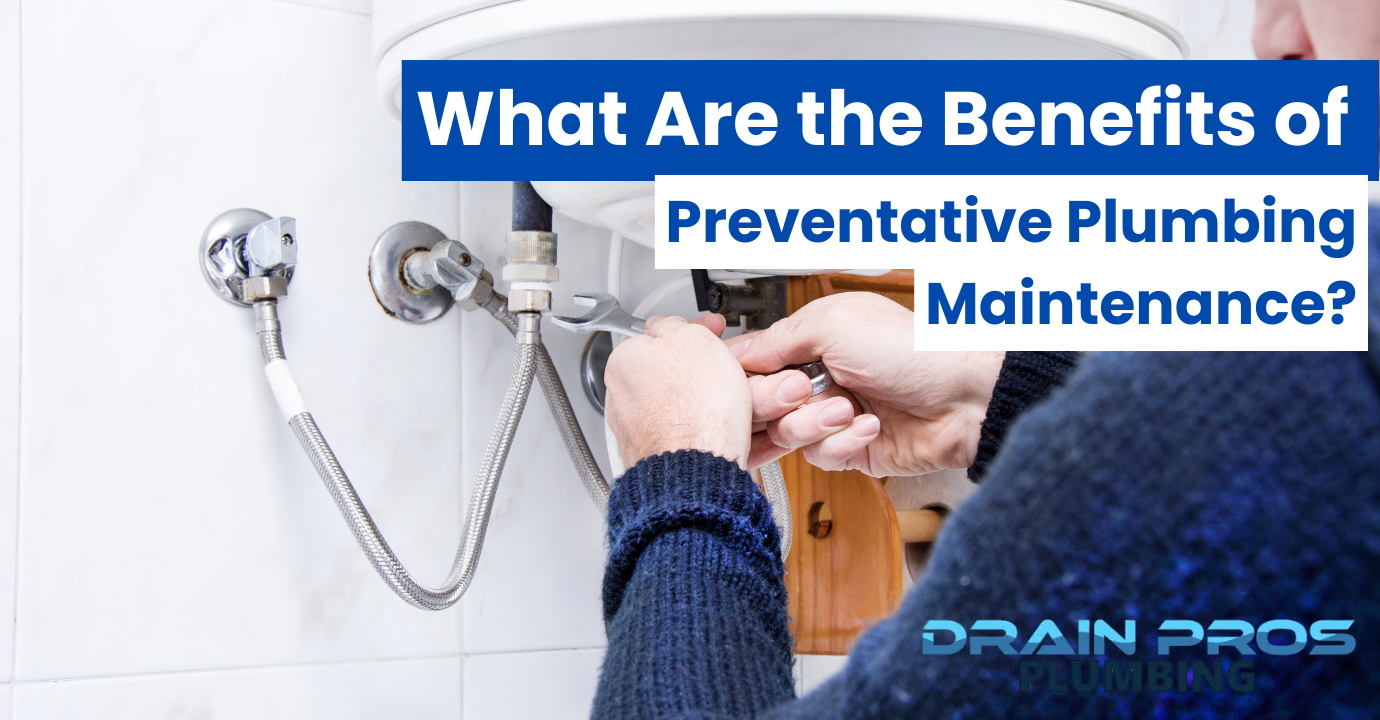
Executive Summary
Preventative plumbing maintenance saves money by detecting small, inexpensive-to-fix issues (leaks, pressure problems, drain buildup, and water-heater wear) before they escalate into emergencies and property damage. It also reduces ongoing water waste and extends the lifespan of plumbing components and appliances.
Key Takeaways
- Small issues get expensive fast: Minor leaks, worn seals, and early corrosion can rapidly escalate into burst lines, flooding, and costly repairs if left unaddressed.
- Maintenance reduces water bills and waste: Routine checks catch “silent” water losses (like running toilets and hidden leaks) that can inflate monthly costs over time.
- Preventing secondary damage is the real savings: Early leak detection helps avoid expensive non-plumbing repairs such as drywall, cabinets, flooring, and mold remediation.
- Drain upkeep prevents emergency backups: Regular drain cleaning and evaluation stop buildup (hair, grease, scale, roots) before it becomes a blockage that triggers urgent service calls.
- Water pressure and water-heater care protect the whole system: Keeping pressure in a safe range and maintaining the water heater reduces system-wide wear, improves efficiency, and lowers the risk of premature failures.
Preventative plumbing maintenance helps you avoid surprise leaks, emergency repairs, and expensive water damage before they start. It’s also how preventative plumbing maintenance saves money—by catching small issues early, when fixes are simple and parts are cheaper. For example, a quick inspection can spot a slow-dripping faucet, a running toilet, or a corroding shutoff valve before it turns into a burst pipe or a soaked cabinet. Routine drain cleaning can clear buildup before it becomes a full blockage that backs up into sinks or tubs. Even checking water pressure and the water heater can prevent premature failures that lead to costly replacements and downtime.
What Preventative Plumbing Maintenance Includes (And Why It Matters)
If you want a clear picture of how preventative plumbing maintenance saves money, it helps to know what “maintenance” actually covers. A solid preventative plan focuses on the systems that fail most often and cause the most expensive damage when they do.
Core tasks that prevent costly plumbing surprises
- Fixture checks: faucets, toilets, shower valves, supply lines, and shutoff valves
- Drain and sewer evaluation: slow drains, recurring clogs, odors, tree-root risk, grease buildup
- Water pressure verification: pressure that’s too high can shorten appliance and pipe life
- Water heater upkeep: sediment, anode rod condition, temperature settings, leak/rust checks
- Leak detection basics: meter testing, visual inspections, moisture clues around cabinets and floors
These steps are not just “nice to have.” They target the failure points that typically lead to emergency calls, water damage restoration bills, and insurance claims—exactly how preventative plumbing maintenance saves money in the real world.
How Preventative Plumbing Maintenance Saves Money in Real Dollars
Homeowners usually save money in three ways: fewer emergencies, smaller repair scope, and lower long-term operating costs. That’s the practical answer to how preventative plumbing maintenance saves money.
1) You avoid water waste that quietly inflates your bill
A single running toilet can waste a surprising amount of water. The U.S. Environmental Protection Agency (EPA) notes that household leaks can waste nearly 10,000 gallons of water per year, and 10% of homes have leaks that waste 90 gallons or more per day. Routine maintenance catches the “silent” problems—like a flapper that doesn’t seal—before they run for months.
2) You prevent “secondary costs” that dwarf the plumbing repair
Even a small leak can cause damage far beyond the pipe or fitting:
- Cabinet base swelling and replacement
- Drywall repair and repainting
- Mold remediation (when moisture persists)
- Flooring damage (especially laminate and hardwood)
This is a major reason how preventative plumbing maintenance saves money isn’t just about plumbing—it’s about protecting the surrounding structure and finishes.
3) You replace parts on your schedule, not during a crisis
Maintenance lets you plan smaller fixes (like replacing a corroded shutoff valve or a failing supply line) during normal hours—before they trigger an emergency call, water shutoff, or urgent restoration work. This is one of the simplest explanations of how preventative plumbing maintenance saves money: planned repairs are typically less disruptive and less expensive than crisis repairs.
Why Small Leaks Become Expensive Fast
Leaks rarely stay “small.” A slow drip can evolve into a sudden failure due to corrosion, water pressure spikes, worn rubber seals, or temperature swings. The Insurance Information Institute lists water damage and freezing among the most common causes of homeowners insurance losses, which aligns with what many plumbers see daily: water is persistent, and damage compounds quickly.
Common “small issue” warning signs to act on
- Toilet that refills on its own
- Faucet drips or wobbling handles
- Water stains under sinks or around the base of toilets
- Musty smells in bathrooms, laundry areas, or cabinets
- Unexpected increase in your water bill
Addressing these early is the clearest demonstration of how preventative plumbing maintenance saves money: you’re stopping damage at the first domino, not the last.
How Drain Maintenance Prevents Emergency Backups
Drain problems are a perfect example of how preventative plumbing maintenance saves money because most major clogs give early warning—slow sinks, gurgling, odors, or frequent plunging. Routine drain cleaning removes buildup before it hardens or turns into a full blockage.
What builds up in drains over time
- Soap scum and hair (bathrooms)
- Grease and food particles (kitchens)
- Mineral scale from hard water
- Roots infiltrating older sewer lines
When problems keep coming back, it’s often a sign you need a deeper approach than a quick snaking. A professional Drain Cleaning service can remove buildup safely and help identify the root cause—another practical way how preventative plumbing maintenance saves money shows up: fewer repeat clogs and fewer emergency after-hours calls.
What a “Good Maintenance Plan” Looks Like (Simple Schedule)
Maintenance doesn’t have to be complicated. The best plans are consistent and targeted. If you’re trying to implement how preventative plumbing maintenance saves money in your home, use a schedule like this:
Monthly quick checks (10–15 minutes)
- Look under sinks for drips, corrosion, or warped cabinet bottoms
- Listen for running toilets after flushing
- Confirm hot water supply is stable and there’s no water heater pooling
- Check exposed shutoff valves for corrosion or moisture
Every 6–12 months
- Verify water pressure (high pressure accelerates wear on fixtures and hoses)
- Inspect washing machine hoses (bulging, cracking, rust at fittings)
- Clean drain strainers and address slow drains early
- Inspect caulking/grout lines where water might migrate behind surfaces
Annually (or as recommended)
- Water heater inspection and maintenance (especially sediment-heavy areas)
- Sewer line evaluation if you have frequent backups, older piping, or tree roots nearby
Following a routine is the operational side of how preventative plumbing maintenance saves money: you reduce the odds of “surprise” failures.
Cost: Preventative Maintenance vs. Emergency Repairs (What Typically Changes)
Exact prices vary by home, materials, accessibility, and local labor rates. But the cost pattern is consistent: maintenance costs are predictable, while emergencies are expensive because they’re urgent and often involve damage cleanup.
| Issue | Preventative approach | If ignored |
|---|---|---|
| Running toilet | Replace flapper/fill valve; confirm no silent leak | Ongoing water waste; potential overflow or damage if parts fail |
| Slow drain | Clean buildup early; assess recurring causes | Full blockage; potential backup into tubs/sinks; more extensive service |
| High water pressure | Test PSI; adjust/replace regulator if needed | Premature failure of supply lines, valves, and water-using appliances |
| Water heater sediment | Maintenance to reduce sediment-related inefficiency and wear | Lower efficiency, noisy operation, shortened lifespan, leak risk |
This comparison is the big picture of how preventative plumbing maintenance saves money: it converts unpredictable, high-impact events into smaller, planned tasks.
How to Spot Problems Early (Fast Checks Homeowners Can Do)
You don’t need to be a plumber to catch early warning signs. These simple checks support how preventative plumbing maintenance saves money by helping you act before damage spreads.
Quick leak test using your water meter
- Turn off all water fixtures and avoid running appliances.
- Check the water meter and note the reading (or leak indicator).
- Wait 15–30 minutes without using water.
- If the meter changes, you may have a leak.
Toilet dye test (common, cheap, effective)
- Add dye tablets or a few drops of food coloring to the tank.
- Wait 10–15 minutes without flushing.
- If color appears in the bowl, the flapper is leaking.
These steps work because they reveal hidden waste—again, reinforcing how preventative plumbing maintenance saves money through early detection.
Why Water Pressure Control Is a “Hidden” Money Saver
Many homeowners don’t realize that pressure that’s too high can stress the entire plumbing system. The International Residential Code (IRC) requires that where water pressure exceeds 80 psi, an approved pressure-reducing valve should be installed. High pressure can contribute to dripping faucets, failing supply lines, and shortened appliance life.
Keeping pressure in a safe range is a less obvious but powerful example of how preventative plumbing maintenance saves money—you’re reducing wear across multiple fixtures at once.
What About Slab Leaks and “Invisible” Damage?
Some of the most expensive plumbing events are the ones you don’t see. A leak under a slab or behind a wall can run long enough to damage flooring, weaken materials, and create persistent moisture problems. If you’ve ever wondered how preventative plumbing maintenance saves money when nothing seems wrong, this is it: it helps identify hidden risks early.
For a deeper understanding of why these leaks matter structurally, see how slab leaks affect home foundations.
What Preventative Plumbing Maintenance Saves Beyond Money
Cost matters, but it’s not the only benefit. Another way to frame how preventative plumbing maintenance saves money is by looking at what it prevents:
- Disruption: fewer shutoffs, fewer days waiting for restoration and drying
- Stress: fewer urgent decisions under pressure
- Property risk: less chance of mold-friendly moisture conditions
- Resale protection: fewer “surprise” issues during inspections
And for context, plumbing is a complex building system with a long history and specialized standards—if you want the broader technical scope, see the overview of plumbing.
When to Call a Professional (Instead of Waiting)
DIY checks are helpful, but certain symptoms should be evaluated quickly. If you’re focused on how preventative plumbing maintenance saves money, the key is not letting these issues simmer:
- Recurring clogs (especially multiple fixtures)
- Sewage odors or gurgling drains
- Water pressure that suddenly changes or seems excessively strong
- Warm spots on floors, unexplained damp carpet, or persistent mildew smell
- Water heater rust, leaking, or inconsistent hot water
Calling sooner usually means the fix is smaller, cleaner, and cheaper—yet another direct example of how preventative plumbing maintenance saves money.
Smart Habits That Make Maintenance Pay Off More
Even the best inspections work better when paired with basic habits that reduce wear on the system. These habits reinforce how preventative plumbing maintenance saves money year-round:
- Don’t treat drains like trash cans (avoid grease, wipes, and heavy food scraps).
- Use hair catchers in showers and tubs.
- Know where your main shutoff valve is—and test it periodically.
- Keep an eye on your bill for unusual spikes.
- Address small drips immediately (they rarely get better on their own).
“Pay Less Later” Plumbing: The Takeaway That Actually Works
How preventative plumbing maintenance saves money comes down to one principle: catch problems early, when the repair is simple and the damage is still zero (or close to it). Leaks waste water, high pressure shortens component life, drain buildup turns into backups, and hidden moisture can become structural or indoor-air issues. Routine checks, targeted cleanings, and periodic professional evaluations shift plumbing from “unexpected crisis” to “managed system.”
Why you can trust this approach
- It aligns with widely used code thresholds (like the 80 psi pressure guideline in the IRC).
- It reflects established public data (like the EPA’s findings on household leak waste).
- It follows standard trade practices used by licensed plumbers: inspection, measurement, diagnosis, then repair.
Done consistently, how preventative plumbing maintenance saves money isn’t a theory—it’s a repeatable process that reduces emergencies, limits property damage exposure, and extends the life of the plumbing system.
Frequently Asked Questions
Stop Plumbing Problems Before They Get Expensive
Preventative plumbing maintenance only works if it actually gets done—and done right. If you’d rather avoid surprise leaks, water damage, and after-hours repair bills, let Drain Pros Plumbing Denver inspect your fixtures, drains, water pressure, and water heater before small issues turn into big repairs. Schedule a preventative plumbing maintenance check today and keep your home protected, efficient, and stress-free.



