
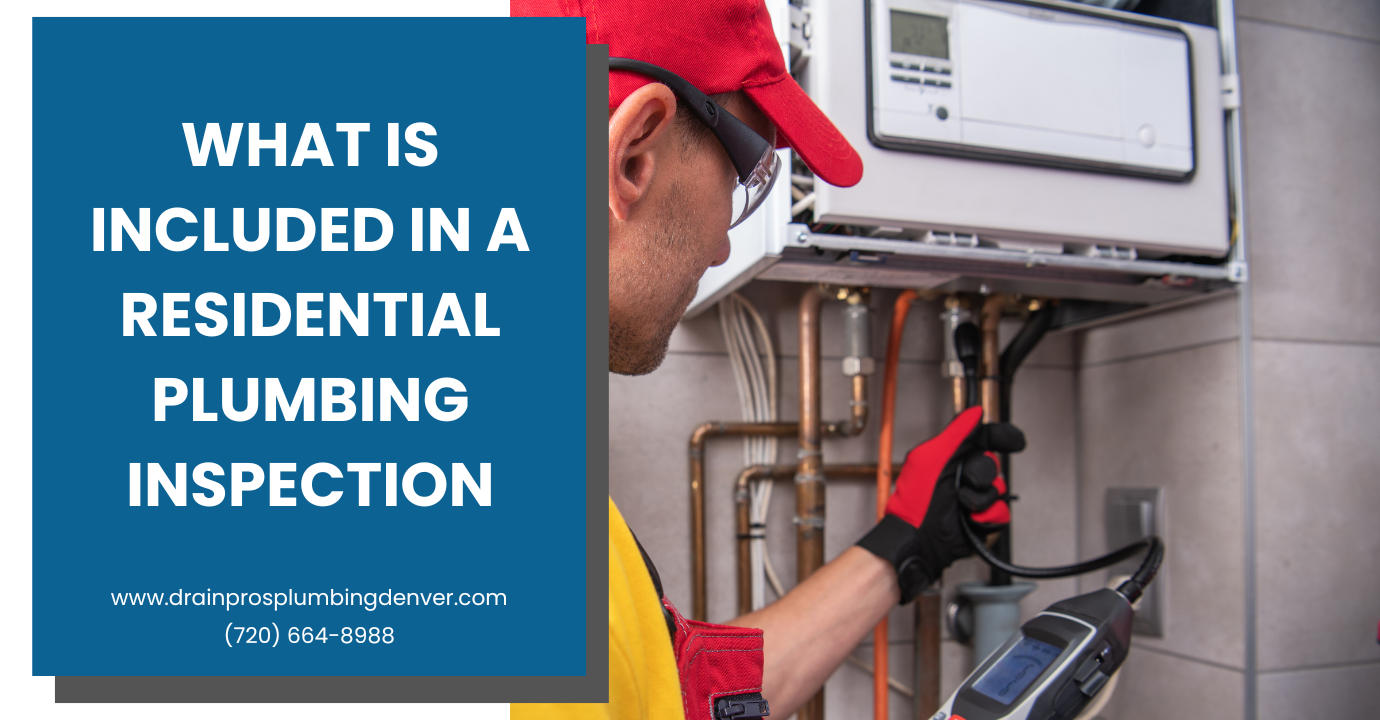
Wondering how plumbing inspections work for homes? A residential plumbing inspection is a thorough check of your home’s entire plumbing system to ensure everything is working properly and up to code. It includes examining pipes, fixtures, water heaters, and drainage systems. For example, a plumber will check for leaks under sinks, test water pressure, and inspect the sewer line for any blockages. These inspections help catch small issues before they turn into costly repairs. If you’re buying a home or just doing routine maintenance, knowing what’s included in a plumbing inspection can save you time and money.
What’s Covered in a Residential Plumbing Inspection?
Understanding how plumbing inspections work for homes starts with knowing what areas and components are thoroughly checked. A professional plumber uses a detailed checklist to assess whether the plumbing system is functioning optimally and adheres to current building codes.
Key Elements of a Plumbing Inspection
Here’s what a typical residential plumbing inspection includes:
- Interior and exterior pipe condition: Inspecting exposed and accessible pipes for corrosion, damage, or leaks.
- Water pressure assessment: Ensuring your home’s water pressure falls within optimal ranges using water pressure regulators.
- Fixture checks: Verifying that faucets, shower valves, and toilets are working properly.
- Water heater review: Evaluating the water heater for sediment build-up, efficiency, and any signs of leaks.
- Drainage flow: Checking sinks, tubs, and showers for slow drainage or blockages.
- Sewer line evaluation: Often conducted via sewer video inspection to spot tree root infiltration or damage.
- Gas lines: Examining for leaks and proper connections, particularly around major appliances.
- Backflow testing: Ensuring clean water supply is protected against contamination.
Why You Should Schedule a Plumbing Inspection
Plumbing inspections are crucial preventive measures that help you avoid unexpected issues and prolong the life of your home’s plumbing system. Here’s why you should never skip this important step:
- Pre-purchase home evaluation: Buying a new home? Knowing how plumbing inspections work for homes ensures you’re not stuck with expensive hidden repairs.
- Prevent water damage: Early leak detection can save thousands in potential damage and mold remediation.
- Maintain water efficiency: Inspections catch small inefficiencies like a dripping faucet or improperly regulated pressure that inflate your water bill over time.
- Compliance with building codes: Older homes may have outdated plumbing systems. Regular inspections ensure upgrades meet modern standards.
Tools Used During a Plumbing Inspection
Professional plumbers use state-of-the-art tools to perform accurate diagnostics. These tools reveal hidden problems and improve inspection accuracy.
| Tool | Purpose | Benefits |
|---|---|---|
| Sewer Camera | Visual inspection of drain and sewer lines | Identifies blockages, tree roots, and pipe damage |
| Pressure Gauge | Measures water pressure in the system | Prevents burst pipes or inefficient flow |
| Moisture Meter | Detects moisture behind walls and under floors | Helps identify hidden leaks early |
| Thermal Imaging Camera | Maps temperature variations in plumbing systems | Pinpoints slow leaks and insulation issues |
When Should You Get a Plumbing Inspection?
You don’t need to wait for a plumbing disaster to strike. Here are some ideal times to schedule an inspection:
- Before buying or selling a home – Gain confidence with a full report of your system’s condition.
- After major weather events – Storms and freezes can damage underground pipes.
- Every 1–2 years – Routine maintenance helps prevent clogs, leaks, and replacements.
- Before a renovation – If you’re updating kitchens or bathrooms, check compatibility with your existing plumbing.
What Happens After an Inspection?
Once the inspection is complete, the plumber will provide a detailed report outlining:
- Identified issues: Includes both minor concerns and urgent repairs.
- System health: Overall condition of pipes, water heater, and sewer line.
- Recommendations: Suggested upgrades or maintenance work to improve efficiency and safety.
- Cost estimates: Transparent pricing if additional service is needed.
Many issues uncovered during inspections—like stubborn drain blockages or tree roots in the sewer line—are best resolved through professional services such as hydrojetting, which provides a powerful, eco-friendly cleaning method.
Common Problems Detected During Plumbing Inspections
Still wondering how plumbing inspections work for homes? Here are real-world examples of what plumbers often find:
- Leaky faucets and fixtures – Affect water bills and may lead to mold or structural damage.
- Corroded water heaters – Reduce efficiency and risk tank bursts if neglected.
- Clogged or slow drains – Often due to buildup or tree root intrusion in sewer pipes.
- Low water pressure – Could be the result of blockages or damaged pressure regulators.
For more technical insights, explore this guide on plumbing diagnostic tools that plumbers rely on during inspections.
Expert Tip: Make Inspections Part of Routine Maintenance
Seasonal inspections ensure your plumbing system performs when you need it most. Think of it as a check-up. Just like seeing the doctor can prevent future health problems, routine plumbing inspections stop costly emergencies before they start.
Pro Tip: Combine preventive services like drain cleaning with your annual inspection to optimize your system’s performance.
Final Thoughts: Be Proactive, Not Reactive
Now that you know how plumbing inspections work for homes, you have the knowledge to take proactive steps in protecting your property and wallet. Whether you’re purchasing a home, maintaining your existing one, or planning a remodel, a plumbing inspection ensures everything flows smoothly—literally and figuratively.
Don’t wait for an emergency to understand how plumbing inspections work for homes. Prevent serious issues by scheduling regular evaluations and investing in preventive care to keep your plumbing system in peak condition all year round.
And remember, understanding plumbing systems at a basic level is an essential part of responsible home ownership. Give your pipes the attention they deserve, and they’ll serve you well for decades to come.
Frequently Asked Questions
Get Ahead of Plumbing Problems Before They Start
Thinking about a plumbing inspection? Whether you’re buying a home, planning a renovation, or just staying on top of maintenance, Drain Pros Plumbing Denver is your go-to expert. Our pros use state-of-the-art diagnostics to uncover hidden issues and keep everything flowing smoothly. Don’t wait for a costly surprise—take control of your plumbing today. Contact Drain Pros Plumbing Denver now to schedule your residential plumbing inspection and protect your biggest investment—your home.



